Become a patron of the arts, without the massive price tag


You don't necessarily have to be artistic to enjoy the creative arts. The only watercolour we’re familiar with is the murky, muddy brown of the Grand Union Canal and acrylic is something we think some of our more flamboyant summer shirts are made of.?
But we do like beautiful things. And some of us wish we were the people who could fill their houses with fine art. But the mortgages come first and so our dreams of being art impresarios lie dormant, for the time being at least.
But there is a way we can support artists at wedidthis.org.uk. It's a way to get involved in the arts without having to shell out stacks of cash.
They’re looking to bring artists and their audiences closer together, to breath new life into the arts scene by bringing in investment and ultimately new consumers. If you see something you like, you can make a donation, however modest. In return you’ll get a reward. You’ll also gain the lovely warm feeling that in these times of austerity, you’re keeping the arts scene going.
We may not know much about art, but we know a decent opportunity to do something a bit different when we see one.
Tags: Websites Software Online WebsiteOfTheDay

WEBSITE OF THE DAY ? WeDidThis originally appeared on http://www.pocket-lint.com on Wed, 30 Mar 2011 01:00:00 +0100
Donna Feldman Jodi Lyn OKeefe Emma Watson Amy Smart Sarah Wynter


 Last year TechStars Seattle had its first ‘class’ graduating in November. I was at the Demo Day and I was absolutely stunned by the quality of the presentations and by the accomplishments of the teams in just 3 months. It speaks volumes to the kind of support and environment it creates to foster and incubate innovation.


 Send via e-mail
 Submit to Digg
 Add to Live Favorites
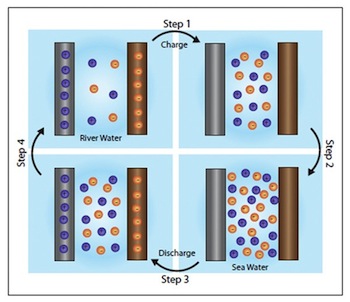 The technology works through an incredibly simple process (though it requires a complex explanation). Two electrodes are immersed in a liquid bath that contains freshwater. A very small electric current is applied across the electrodes to charge up the "battery," then the freshwater is drained to be replaced by seawater. The seawater's greater concentration of ions from the dissolved salt (60 to 100 times more, in fact) results in an increase to the voltage across the two electrodes--meaning the battery can then be discharged to extract more energy than was initially applied to charge it.
